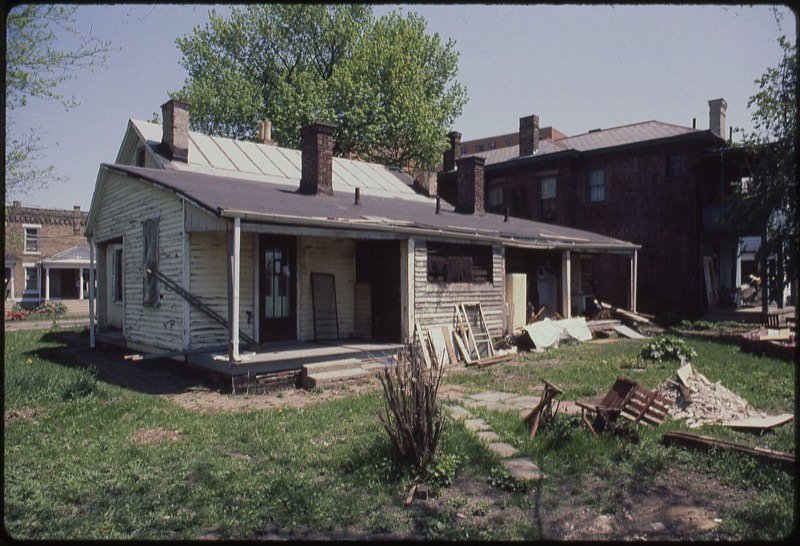
A rental that had given all it was going to give
Rentals have a lifecycle for their owners. Year one is an investment; year fifteen is a part-time job with maintenance calls. David reached the point most landlords eventually reach: the return was no longer worth the load.
The situationDone — but wary of the exit
After fifteen years, David wanted out. What he did not want was the classic investor-sale experience: a high verbal number that shrinks at the closing table after the house is already under contract and the plans are already made.
What we didOne number, in writing, day one
We pulled the comps, made our assessment, and put a written offer in front of David at the start — the same discipline we bring to every closing, because a number that moves late is not an offer, it is bait. The number he trusted on day one is the number that funded.
How it closedFourteen days, no drama
No inspection renegotiation, no financing contingency, no surprise at the table. Signed to closed in 14 days — before his moving day.
“After fifteen years of being a landlord, I just wanted out. Matthew gave me a number I trusted on day one and held it through close. No drama.”— David R., Leland
Done being a landlord?
Tenants in place, deferred maintenance, deposit logistics — our landlord exit guide covers how the sale works without an eviction or a make-ready, including the tax questions worth asking before you sign anything.
If this is youThe exit David actually bought
What David paid for — in the spread between our offer and a hypothetical perfect listing — was certainty: no turn, no make-ready, no financed buyer discovering fifteen years of rental wear in an inspection report. Whether that trade is right for you depends on your property’s condition and your patience; the landlord exit page and the honest-ledger guide lay out the decision without romance.
Cover image — Photo: David E. Lucas, public domain, via Wikimedia Commons.