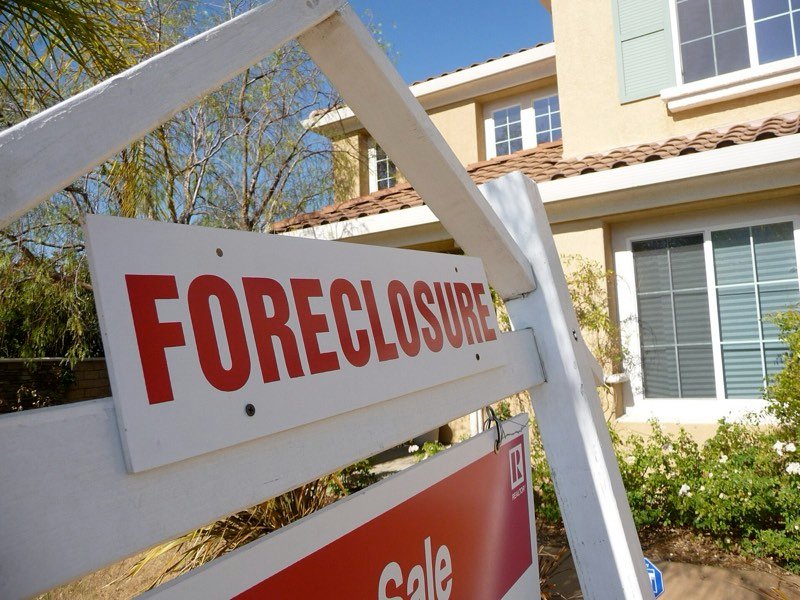
The honest menu
When you are behind, everyone has a product to sell you and every letter sounds like the last chance. Strip the noise away and there are six moves that actually stop a North Carolina foreclosure, plus two famous ones that mostly burn calendar you cannot get back. The right one depends on two questions: can the household afford the house going forward, and how much equity is in it?
Option oneReinstate: pay the arrears, keep the loan
Pay every missed payment plus fees in one lump and the default is cured — the loan continues as if nothing happened. This is the cleanest fix and the one servicers must quote you on request. Its weakness is obvious: if you had the lump sum, you would not be behind. Family help, a 401(k) loan, or an insurance payout are the usual sources. Best when the hardship was temporary and is over.
Option twoForbearance or a repayment plan
The servicer pauses or reduces payments for a few months, or spreads the arrears across the next year of payments. Paperwork, not money, is the price of entry. This fits a hardship with an end date — recovery from surgery, a job that starts next month. It does not fix a payment that was never affordable; it defers the same cliff.
Option threeLoan modification
The servicer rewrites the loan — rate, term, sometimes moving arrears to the back — to make the payment genuinely affordable. This is the strongest keep-the-house tool for a permanent income drop, and applying for it generally pauses the foreclosure track while a complete application is under review. The catch is process: document-heavy, slow, and denial-prone. A free HUD counselor doubles your odds of a complete, on-time application.
Option fourChapter 13 bankruptcy
Filing triggers an automatic stay that stops a scheduled sale immediately — even days out — and a Chapter 13 plan lets you cure arrears over three to five years while keeping the house. It is powerful and it is real, but it is a five-year commitment with a credit cost, and it only works if the regular payment is affordable on top of the plan. Talk to a bankruptcy attorney, not a petition mill.
Option fiveSell the house
If the household cannot afford the house — or does not want the fight — selling converts the equity to cash before the auction dissolves it. With months of runway, a full listing nets the most. Inside the filing-to-auction window, a cash sale is usually the only closable format: no financing contingency, no appraisal, a date measured in days. We have stopped an auction with seven days to spare. Selling is not losing; the courthouse steps are losing.
Option sixDeed in lieu of foreclosure
You hand the lender the deed; they cancel the foreclosure. It spares you the auction and can include relocation money, but you walk away with nothing — so it only makes sense when there is genuinely no equity to protect and a short sale has failed. If there IS equity, a deed in lieu donates it to the bank.
The time-wastersTwo moves that mostly burn calendar
Mass-mailer “foreclosure rescue” companies that want an upfront fee to negotiate for you: federal rules ban charging before a result, and the legitimate version of that service is free from HUD counselors. And re-listing an overpriced house with 30 days left: a listing that needs a financed buyer cannot close inside the advertising window, so it produces showings, not salvation. If a listing was going to work, it needed to start months earlier.
Cover image — Photo: respres, CC BY 2.0, via Wikimedia Commons.