The fork is the payoff number
Call the servicer and get the full payoff — principal, arrears, fees. Then get an honest number for what the house sells for today. If the house is worth less than the payoff, you are underwater and the conversation is a short sale. If it is worth more, you have equity to protect and speed is the whole game. Everything else in this guide hangs off that fork.
UnderwaterWhat a short sale actually is
A short sale means the lender agrees to accept less than the payoff and release the lien so the house can sell at market value. You need the lender’s written approval, a documented hardship, and a real buyer — and lender approval routinely takes two to four months, sometimes longer with two liens.
Done right, a short sale beats a foreclosure clearly: the credit event is milder, the deficiency is usually negotiated away in writing, and you exit with dignity instead of an auction notice on the door. Done late — started with an auction six weeks out — it usually cannot get approved in time.
The deficiency questionGet the release in writing
When a sale or auction nets less than the debt, the gap is the deficiency. North Carolina limits deficiency claims in some cases — notably certain purchase-money and power-of-sale situations, where statutes give borrowers real defenses — but the clean answer in a short sale is contractual: the approval letter should say the lender accepts the proceeds as full satisfaction. If that sentence is missing, have an attorney get it added before you sign anything.
With equityWhy speed beats price when the clock is short
Say the payoff is $210,000 and the house would list at $300,000 — but the auction is five weeks out. A financed listing at full price cannot reliably close in five weeks, and a failed contract at week four leaves nothing. A cash sale at a fair as-is number closes inside the window, stops the fee meter, and converts the equity to money in your pocket.
Compare endpoints, not headlines: auction outcome versus cash outcome. The auction routinely clears below market, stacks legal fees and costs on top of the payoff, and anything left comes back to you only after the process grinds through. The written cash offer is a known number on a known date. When the clock is long, list it — I will tell you so myself. When the clock is short, the discount for speed is the cheapest insurance you will ever buy.
The hybrid caseThin equity, short clock
The hardest situations are the in-between ones: equity on paper of $20,000 or $30,000 that fees are eating weekly. There the real comparison is cash offer today versus probable zero at auction — and the honest move is often a quick sale that saves most of it. What I refuse to do is pretend a thin-equity house is a jackpot listing; that pretense is how people ride the clock to the courthouse steps.
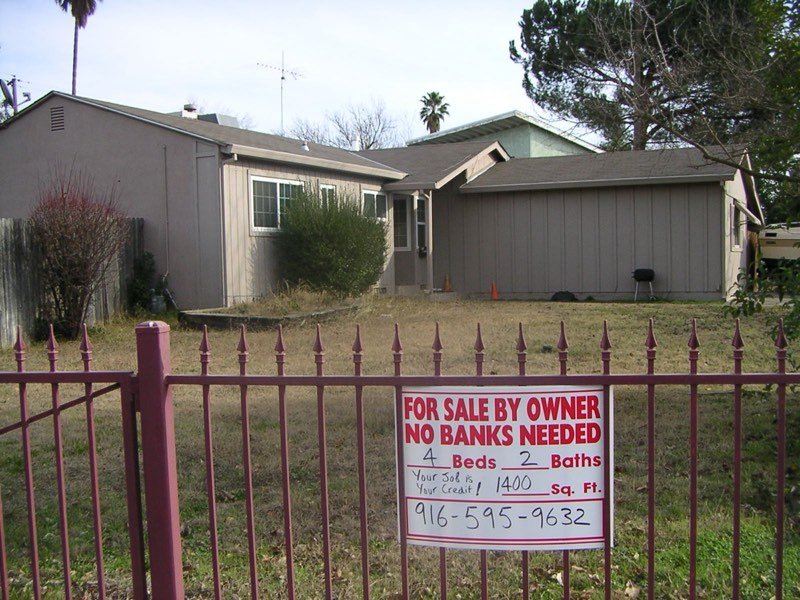
Cover image — Photo: Casey Serin, CC BY 2.0, via Wikimedia Commons.