North Carolina closes at an attorney’s table
NC is an attorney-closing state: a licensed closing attorney runs title work, holds funds, and records the deed. That is good news — a neutral professional touches every dollar — and it means the cost structure is knowable in advance. Here is the whole list, so no line on the settlement statement surprises you.
The seller’s customary linesWhat NC sellers traditionally pay
Excise tax — NC’s transfer stamp — runs one dollar per five hundred of price: two hundred dollars per hundred thousand. Deed preparation and any payoff-handling fees are modest. Property taxes prorate to closing day. Any liens, judgments, or code fines attached to the property clear from proceeds at the table. That is the honest total: on most sales, well under one percent plus whatever debt the house carries.
The buyer’s sideWhat “we pay closing costs” means from us
Title search, the closing attorney’s fee, and recording are costs someone must pay; in our standard offer, we take them. What no buyer can pay for you: the excise tax obligation and your own liens — anyone who claims those vanish is playing word games. When we say the offer is net of fees, it means no commission, no buyer-side charges passed to you, and the payoff-versus-proceeds math shown before you sign.
What is absentThe costs a cash sale deletes
No listing commission of 5 to 6 percent. No repair negotiations after inspection. No seller concessions toward a buyer’s loan costs. No months of taxes, insurance, and utilities while a listing sits. On a $250,000 sale, those absent lines commonly total $20,000 or more — that is the honest counterweight to a below-retail price, and you should weigh both sides with real numbers.
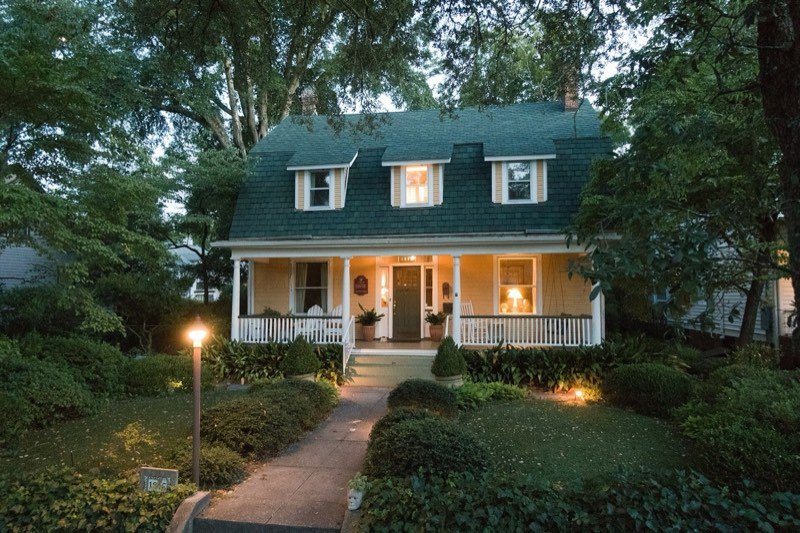
Cover image — Photo: Wm.fridrich, CC BY-SA 3.0, via Wikimedia Commons.