The four endings, and how families pick one
Every sibling-house story ends one of four ways. Knowing them in advance keeps the discussion about the options instead of about each other:
Ending oneOne sibling buys the others out
Clean when one heir loves the house and can fund it — usually via a refinance in their own name. The friction point is always the number: use a neutral appraisal, not a guess, and put the family agreement in writing even though it feels formal. Especially because it feels formal.
Ending twoKeep it together — rental or beach house
Works while everyone’s lives align, which is usually shorter than everyone expects. If you choose this, act like the partners you now are: written agreement, one decision-maker for repairs, a real reserve fund, and an agreed exit trigger. The landlord guide is the preview of the job.
Ending threeSell together and split clean
The most common ending, and the one where speed has family value: a house that sells in two weeks generates two weeks of joint decisions; one that lists for five months generates five months of them. Cash as-is means no arguments about who fronts the repair money or handles the cleanout — the Bells chose exactly this.
Ending fourThe deadlock nobody wants
One heir refuses to sign; the sale stops. North Carolina gives co-owners a legal pressure valve — a court-ordered partition — but it is slow, expensive, adversarial and occasionally family-ending. Its real use is as a fact on the table that makes ending one, two, or three look reasonable to everyone.
Need the neutral number?
A written cash offer gives the family a real figure to talk about — use it to sell to us, to price a buyout, or to benchmark a listing. No obligation either way: (910) 372-6720. Related: the tax question, answered next.
Structuring a clean buyoutHow the paperwork should look
A sibling buyout done right has four documents: a neutral appraisal everyone saw before negotiating; a written agreement stating price, timeline, and what happens if financing fails; a deed transfer handled by a closing attorney; and, where a refinance funds it, lender payoff of any estate debt so departing siblings are fully released. Handshake buyouts between siblings are how holiday dinners die — not because anyone is dishonest, but because memories of verbal terms diverge under money pressure. The formality is the kindness.
Two pricing details prevent most fights: agree in advance whether the buying sibling gets any “family discount” (usually the answer should be no, with love), and decide who bears closing costs explicitly rather than assuming.
When the house has a mortgageGarn-St Germain and the payment question
Inheriting a mortgaged house does not trigger the loan’s due-on-sale clause — federal law (the Garn-St Germain Act) protects transfers to relatives at death, and servicers routinely work with heirs who keep paying. But “the bank cannot call the loan” is different from “the payments pay themselves”: until the family decides, someone must fund the monthly payment, and how those advances get credited back should be written down from the first month. Nothing corrodes sibling goodwill like one heir quietly covering the mortgage while the others deliberate rent-free.
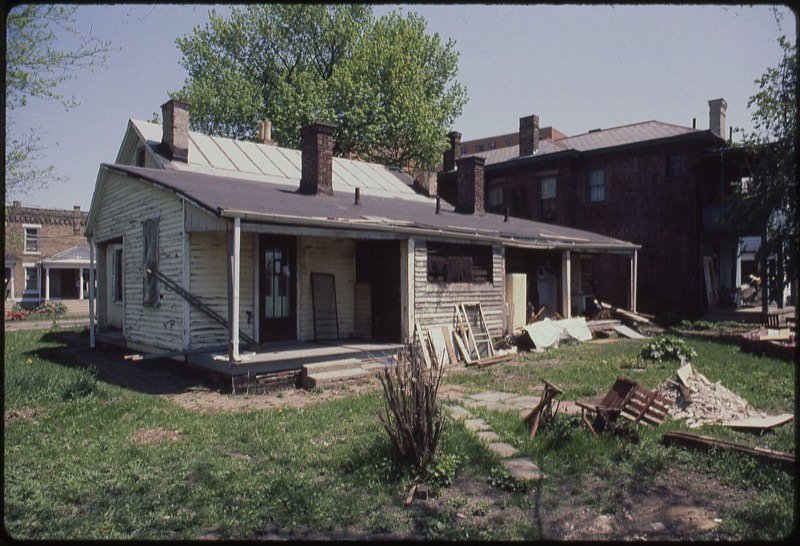
Cover image — Photo: David E. Lucas, public domain, via Wikimedia Commons.