How the season actually touches a sale
You cannot schedule the weather, but you can structure a sale that shrugs at it. Three season mechanics worth knowing:
The binding freezeNo new insurance while a storm is named
Once a storm enters the box, carriers pause new policies and coverage changes along the threatened coast — standard industry practice, not an exotic clause. A financed closing scheduled inside that window waits until the storm clears. If it clears ugly, everything gets re-inspected and renegotiated.
The season discountBuyer psychology tracks the forecast
Showings thin out when the tropics get loud, and post-storm months carry a caution hangover even in untouched neighborhoods. Listing a coastal house in high season is not doomed — but the calendar is genuinely part of your pricing, and pretending otherwise costs real money.
The cash exceptionNo lender, no binding requirement, no freeze
A cash closing has no lender demanding a bound policy, so a named storm does not stop it. We have closed with weather on the map. The house’s condition at closing is what we bought — that certainty is precisely what an as-is contract is for.
Season’s here. Want the storm-proof number?
A written cash offer holds regardless of what the tropics do next week. 24 hours, no obligation: (910) 372-6720 — or start with the decision framework.
The mechanics of a binding suspensionHow the freeze actually works
When the National Hurricane Center designates a named storm or a watch or warning touches the coast, carriers activate binding moratoriums: no new policies, no coverage increases, in the affected zone until the event passes. The trigger and the geography vary by carrier — some freeze on a storm entering the “box,” others on official watches — but the effect on your buyer is identical: their lender requires bound insurance to fund, insurance cannot bind, the closing waits. In an active season, that can happen more than once to a single contract.
A seller cannot control this. A seller can control exposure to it: shorter escrows, buyers whose insurance is already bound early, or a cash contract with no binding requirement at all.
Preparing the house for season while it’s for saleDefense is also marketing
A for-sale house still needs storm prep — and buyers notice readiness. Documented wind mitigation (strapping, shutters, a roof with life left), clean gutters and drainage, and a photographed pre-season condition record protect you twice: against the storm, and against the post-storm renegotiation where a buyer attributes every old blemish to the weather. The seller with dated photos wins that conversation in minutes.
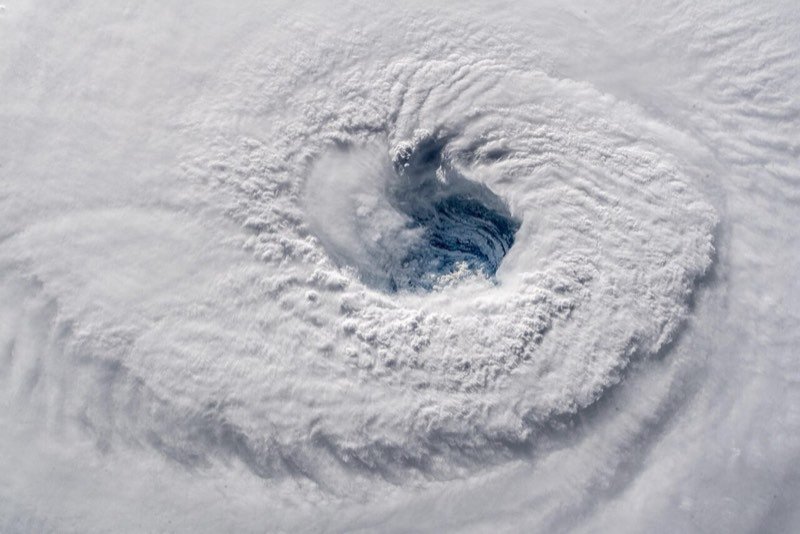
Cover image — Photo: Alexander Gerst, public domain, via Wikimedia Commons.