Repair for the market, or sell it as it stands
There is no universally right answer — there is a right answer for your damage, your insurance outcome, and your patience. Work through it in this order.
First, the real repair numberStorm repair estimates run in packs
Get two or three bids, not one — post-storm pricing is volatile, and the difference between a patch and a fix matters enormously at resale. A financed buyer’s inspector will find whatever the cheap bid skipped, and you will pay for it twice: once in the negotiation, once in the delay.
Second, the honest resale testRepaired is not the same as never-damaged
Even fully repaired, a house with a documented storm history faces questions — from inspectors, appraisers, insurers, and nervous buyers. Sometimes repairs return every dollar; on harder-hit blocks they often do not. Ask what recently repaired homes near you actually resold for, not what the contractor says the work adds.
Third, the as-is comparisonOne number against the whole project
A written as-is cash offer prices the damage once, in daylight, with no inspection to reopen it. Compare it honestly: repair cost, plus months of carrying the house, plus resale risk, against one number and a closing date you pick. Sometimes the project wins. Often it is closer than people expect.
Want the as-is number to compare?
Written offer in 24 hours, no obligation, and an honest read on whether repairing would serve you better — we are a brokerage first and we will say so. (910) 372-6720. Related: selling with an insurance claim in play.
What repairs return — and what they don’tThe remodeling-value trap
National cost-versus-value studies say roughly the same thing every year: most major repairs return less than they cost at resale. A new roof is table stakes, not a premium — buyers expect one, so it prevents a discount rather than adding a bonus. Storm repairs behave the same way but worse, because the repair history itself follows the house into disclosure. Spending $60,000 to make a house sellable is rational only when the after-repair price genuinely clears the spend plus months of carrying costs plus your risk. Sometimes it does. Demand the math before the demolition.
The clean way to test it: get a contractor bid, an after-repair listing estimate, and an as-is written offer inside the same two weeks. Three numbers, one honest spreadsheet, no adrenaline.
The disclosure questionWhat North Carolina requires you to say
North Carolina sellers complete a Residential Property and Owners’ Association Disclosure Statement — and while the form allows “No Representation” answers, actively concealing known material damage is a different, dangerous thing. Storm history, insurance claims, and repairs are exactly the territory where honesty is both the law’s expectation and your protection. An as-is cash sale does not erase disclosure; it changes the audience to a buyer who prices damage professionally instead of fleeing from it.
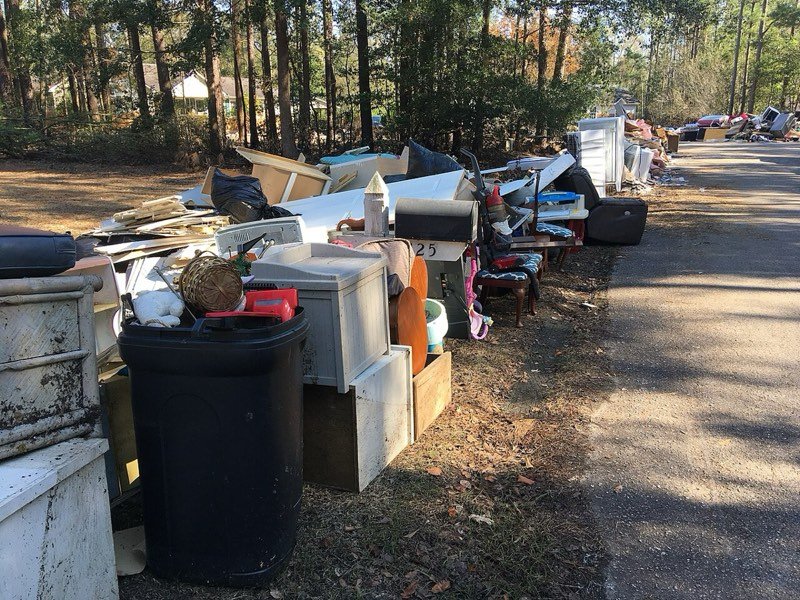
Cover image — Photo: Zach Rudisin, CC BY-SA 4.0, via Wikimedia Commons.