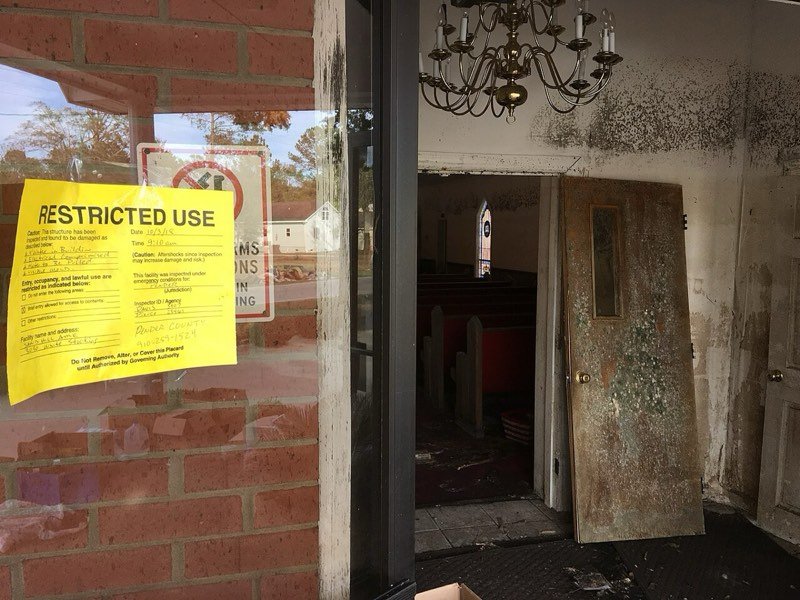
When the storm never really leaves
Hurricane damage has a long tail. A roof leak becomes moisture, moisture becomes mold, and mold turns a home into a health hazard — slowly enough that you adapt to it, until one day you realize you shouldn’t have to. Rochelle was living that.
The situationYears of damage, compounding quietly
The home had carried Florence damage for years, and the mold had spread to the point of unsafe living conditions. Repairing it for a traditional sale would have meant remediation and renovation money that made no sense to spend — and no financed buyer was ever getting that house past an inspection.
What we didBought it as-is — and gave her 30 days to land
We purchased the home exactly as it stood, mold and all. Just as important: Rochelle stayed 30 days after closing, moving out on her own schedule with the sale money already in hand — instead of scrambling for a place before she could close.
How it closedA safe exit, then a second life for the house
After Rochelle moved, we took on the mold remediation and the work of making the home safely habitable again. She never lifted a tool; the house got fixed anyway. That is the whole model working the way it should.
Living with storm damage that never got fixed?
On this coast, houses carry hurricane scars for years — and you can sell one without repairing any of it, on a move-out timeline that works for your life. Start with the as-is sale guide or call (910) 372-6720.
If this is youGetting out safely, on your schedule
Two details made Rochelle’s exit humane: the 30-day post-closing stay, which meant she moved once, calmly, with money in hand — and the fact that remediation became our project, not her prerequisite. If your home carries storm damage or mold, read the mold guide first for the health side, then the decision framework. Neither requires fixing anything before you call.
Cover image — Photo: Zach Rudisin, CC BY-SA 4.0, via Wikimedia Commons.